
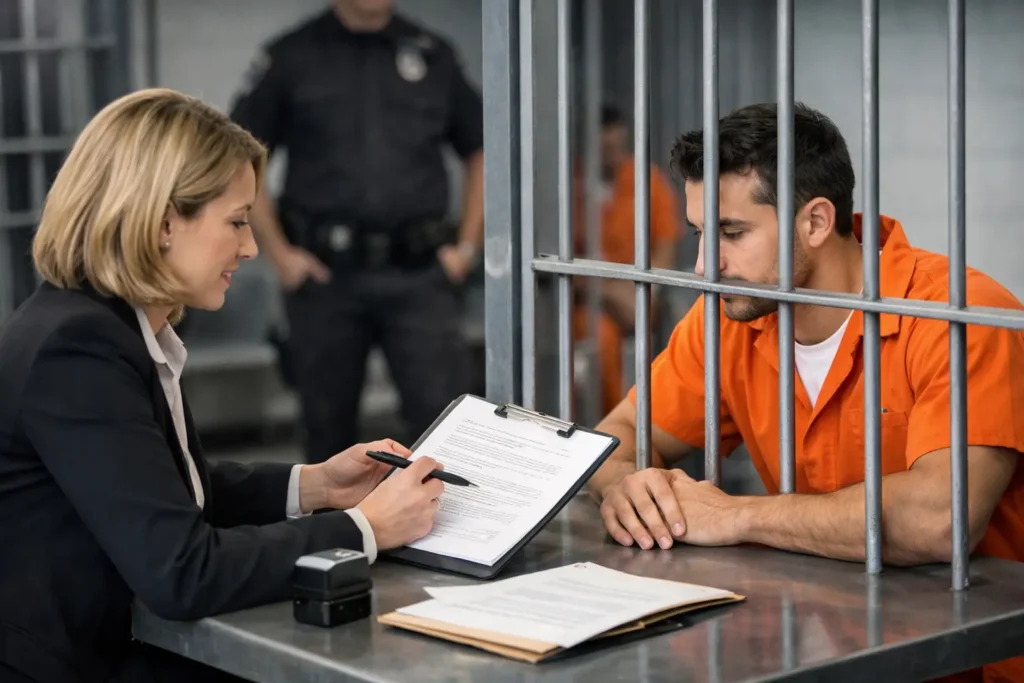
When a loved one is in custody, paperwork does not wait. If you need jail notary service Reno families can arrange quickly, the first priority is finding a mobile notary who understands detention facility procedures, time limits, and the urgency behind the request.
A jail notarization is not the same as a standard office appointment. Access is controlled, identification can be more complicated, and every facility has its own process for visitor approval, document handling, and scheduling. That is why speed matters, but so does experience. A fast response only helps if the notary also knows how to get the appointment completed correctly.
How jail notary service in Reno works
In most cases, a family member, attorney, or other authorized contact reaches out first. The notary will usually need the name of the incarcerated signer, the facility location, the type of document, and whether witnesses may be required. From there, the next step is confirming that the jail will allow the notarization and what entry requirements apply.
This matters because jails do not operate like hospitals, homes, or offices. There may be visiting-hour restrictions, security screening, limits on what can be brought inside, and delays caused by lockdowns or staffing issues. Even when a same-day appointment is possible, the actual timing may depend on facility approval.
For the signer, the core requirement remains the same as any notarial act. The person signing must be willing, aware of what they are signing, and able to be properly identified under Nevada notary rules. The notary is there to verify identity and witness the signing when required, not to explain legal strategy or give legal advice.
Why families request a jail notary service Reno residents can trust
Most jail notary requests happen under pressure. A family may need a power of attorney signed so someone can handle rent, banking, or vehicle issues. An attorney may need affidavits, sworn statements, or case-related documents notarized without losing another day. Sometimes the need is deeply personal, such as authorizing access to records or handling an urgent family matter.
The practical issue is not just getting a notary. It is getting one who will answer quickly, coordinate with the facility, and show up prepared. That is where a mobile service is often the best fit. Instead of asking stressed family members to figure out an unfamiliar process alone, the notary handles the travel and works within the jail’s constraints.
There is also a reality people do not always expect: some documents may not be suitable for notarization in custody, depending on the signer’s condition, the facility’s rules, or whether additional legal review is needed. A dependable notary will tell you that upfront instead of wasting time.
The documents people commonly need notarized in jail
The exact document can vary, but most requests involve matters that cannot wait for release. Powers of attorney are common because they allow a trusted person to handle financial, property, or administrative tasks. Some clients need consent forms, affidavits, declarations, or other sworn statements.
Legal paperwork can also come up, especially when deadlines are close. That said, notarization does not make a document legally sound by itself. It only confirms the notarial act. If there is any doubt about whether the document is appropriate, complete, or requires witnesses, it is best to confirm that before the appointment is booked.
That is one reason preparation matters so much in a jail setting. If something is missing, if the wrong certificate is attached, or if the document cannot be signed as presented, rescheduling can cost valuable time.
What you should have ready before booking
The smoothest jail notarizations happen when the caller has the key details ready at the start. The notary will need the signer’s full name, the name of the detention facility, and a clear description of the documents involved. It also helps to know whether the document already includes notarial wording or whether an acknowledgment or jurat may be needed.
You should also be ready to discuss identification. In-custody signers do not always have a standard wallet ID available in the usual way, so this is one of the first points to clarify. Nevada law still requires satisfactory identification, and the available options may depend on the facility and the facts of the case.
Another detail people miss is witnesses. Some documents require witnesses in addition to notarization. A notary is not automatically a witness, and a jail may not provide witnesses for you. If witnesses are needed, that should be addressed before the appointment is set.
The biggest delays and how to avoid them
The most common delay is assuming the facility process will be simple. It rarely is. Even when everyone is cooperative, entry procedures can take time, and last-minute changes can happen. Calling early helps, but accuracy helps more. If the facility name, housing information, or inmate name is wrong, the appointment may stall before it starts.
Another frequent problem is incomplete paperwork. Blank spaces, missing pages, and unsigned instructions can all create issues. The document should be fully prepared before the notary arrives, with one exception: the signer should not sign in advance if the notarization requires the notary to witness the signature.
Capacity concerns can also stop an appointment. If the signer appears confused, heavily impaired, or unable to communicate a basic understanding of the document, the notary may have to refuse service. That is not a judgment call about the person’s situation. It is part of the notary’s duty.
Why mobile service matters in urgent jail cases
When time is tight, convenience is not just a perk. It is part of getting the job done. A mobile notary can travel to the detention facility, work around available appointment windows, and coordinate directly around the logistics that make jail notarizations difficult.
For Reno-area families and professionals, that can make a real difference. Instead of chasing office hours or waiting for a fixed-location solution that may not handle correctional facility visits, you can arrange service built around the situation. That is especially useful when paperwork affects court timing, personal finances, or immediate family needs.
Mobile Notary Nation is structured for those urgent requests, with in-person mobile appointments and a direct, responsive booking process designed for time-sensitive document needs.
What a professional jail notary will and will not do
A professional notary should be clear, calm, and efficient. They should explain the appointment process, quote fees clearly, confirm travel and facility details, and let you know what could affect completion. In a jail setting, that kind of communication saves time and prevents avoidable surprises.
Just as important, the notary should stay within the proper role. A notary cannot choose the right document for you, interpret legal consequences, or give advice on whether someone should sign. If legal guidance is needed, that has to come from an attorney, not the notary.
That boundary protects everyone involved. It keeps the notarization valid, the process clean, and the signer’s decision separate from outside pressure.
Is remote online notarization an option for someone in jail?
Usually, no. Remote online notarization depends on identity verification technology, audio-video communication, and access to approved systems. A person in custody typically will not have the independent technology access needed to complete that process.
That is why in-person jail notarization is usually the practical route. While remote online notarization is extremely useful for many document situations, detention facilities present a different set of limits. It depends on the environment, and in most cases, mobile in-person service is the realistic solution.
When to call for jail notary service in Reno
If the document affects a deadline, call as soon as you know notarization is required. Waiting until the last minute narrows the available options, especially if the facility has limited access windows or special approval rules. Same-day service may still be possible, but earlier contact gives you a better chance of completing the request without extra stress.
It also helps to be direct when you call. Say that the signer is in custody, identify the facility, and describe the document type. That allows the notary to tell you quickly whether the request can move forward and what needs to happen next.
The right jail notary service is not just fast. It is organized, responsive, and realistic about what the facility will allow. When you are dealing with urgent paperwork and a difficult situation, that kind of clarity can save hours you do not have to spare.
If you need a jail notarization in Reno, the best next step is simple: have the document details ready, confirm the signer information, and reach out immediately so the process can start without delay.