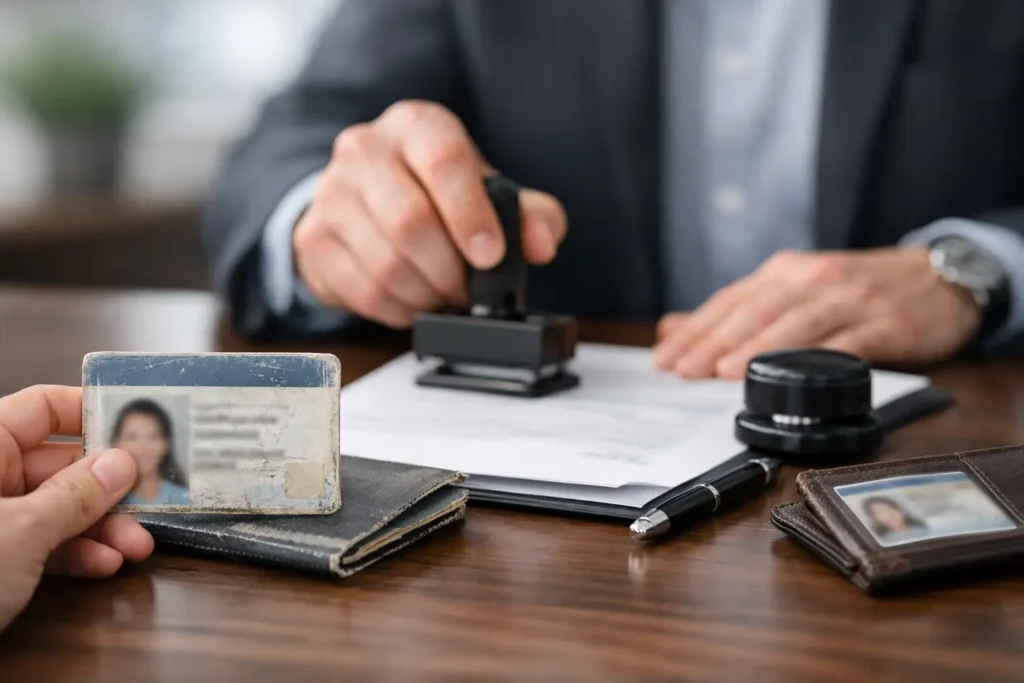
A signer is standing there, the document is ready, the deadline is today, and then the problem shows up – the ID expired last month. That is usually the moment people ask, can you notarize expired id and still move forward? In most cases, the answer is no. A notary’s job is not just to stamp a document. It is to properly identify the person signing it, and an expired ID often does not meet that standard.
That said, this is one of those situations where details matter. The state, the type of notarization, the kind of ID, and whether the notarization is in person or online can all affect the result. If you are trying to get documents signed quickly, the smartest move is to know the issue before the appointment starts.
Can you notarize expired id in most cases?
Usually, no. A notary is expected to verify identity using satisfactory evidence. An expired driver’s license, expired state ID, or other outdated credential often fails that test because it is no longer considered currently valid.
The practical reason is simple. Notaries are supposed to rely on identification that is current, recognizable, and issued by an approved authority. Once that ID expires, the notary may not be able to treat it as reliable evidence of identity, even if the photo still looks like you and even if the expiration is recent.
For the signer, that can feel frustrating. For the notary, it is a compliance issue. If the notarization is challenged later, the notary may have to explain how identity was confirmed. An expired ID creates avoidable risk.
Why expired ID causes problems
People sometimes assume expiration only matters for driving or travel. In notarization, the issue is different. The notary is not judging whether you are still the same person. The notary is deciding whether the law allows that credential to be used to prove identity at that moment.
A current ID gives the notary a clean, defensible basis for proceeding. An expired ID raises questions the notary should not have to guess through. Was the ID altered after expiration? Is the agency still treating it as valid for identification purposes? Does state law permit any grace period? Those are not minor details when a notarized document may be used in court, real estate, healthcare, finance, or probate.
That is why a careful notary will slow the appointment down or stop it entirely if the only identification available is expired.
Are there any exceptions?
Sometimes, but this is where people get tripped up. Not every state follows identical rules, and not every notarization method uses the same identity standards. In some jurisdictions, a recently expired ID may be accepted under narrow conditions. In others, it will not be accepted at all.
There can also be differences between in-person notarization and remote online notarization. Online platforms often require credential analysis and identity proofing, and those systems may reject expired identification automatically. Even if a signer believes the ID should be close enough, the platform may not allow the session to continue.
Military IDs, passports, and IDs issued by certain government agencies can also be treated differently depending on the applicable rules. But the key point is this: do not assume an exception applies just because the expiration date is recent or because another notary accepted it once before.
If you are on a deadline, verify the ID requirements before booking, not after the notary arrives.
What a notary may accept instead
If your primary ID is expired, all may not be lost. A notary may be able to proceed if you have another acceptable, current form of identification. That often depends on state law and the type of appointment, but examples may include a current driver’s license, state-issued ID card, U.S. passport, or other government-issued identification that includes a photo, signature, and physical description.
The important part is that the alternate ID must meet the legal standard where the notarization is taking place. A work badge, gym membership card, Social Security card, birth certificate, or photocopy of your license usually will not solve the problem on their own.
Some states also allow credible witnesses in certain situations. That means one or more individuals who personally know the signer and can swear to the signer’s identity before the notary. This is not a casual workaround. Credible witness rules can be strict, and they may require the witnesses to have their own proper identification and meet specific legal conditions.
If your only plan is to show an expired license and explain that it is really you, expect the appointment to stall.
Can you notarize expired id for remote online notarization?
In many cases, remote online notarization is even less forgiving. If you are asking can you notarize expired id for an online session, the answer is often still no, and sometimes the technology makes that decision before the notary even reviews your documents.
Remote notarization platforms commonly use identity proofing tools that check whether your credential is current and valid. If the ID is expired, the system may reject it immediately. Even where state law allows some flexibility, the platform vendor’s compliance settings may still block the transaction.
This matters for signers who are traveling, homebound, out of state, or trying to close a transaction fast. Online notarization can be extremely convenient, but only if your identification is ready. If your ID is expired, trying to force an online session at the last minute can cost you more time, not less.
How to avoid a failed appointment
The fastest notarization is the one that is prepared correctly before the appointment starts. If there is any chance your ID is expired, check it as soon as the document is ready. Do not wait until the notary is at your home, office, hospital, or care facility.
If you are unsure whether your ID will work, ask in advance. A quick confirmation can prevent delays, travel fees for a failed visit, and missed filing or signing deadlines. This is especially important for real estate packages, powers of attorney, affidavits, and healthcare documents where timing is often tight.
For business users, it is smart to build ID checks into the process before scheduling. Law firms, lenders, title teams, medical facilities, and fiduciaries can save a lot of friction by confirming that every signer has acceptable current ID before the notary is dispatched.
What to do if your ID is already expired
Start with the simplest fix. See whether you have another current government-issued photo ID that meets the requirements. If not, ask whether credible witnesses are allowed for your type of notarization and in your state. If the notarization must happen online, confirm whether the platform and applicable law allow any flexibility at all.
If none of those options work, the practical answer is to renew or replace your ID as quickly as possible. That may not be ideal when the document is urgent, but it is usually better than paying for an appointment that cannot legally be completed.
For people in Northern Nevada dealing with same-day paperwork, this is where responsive scheduling matters. If your replacement ID becomes available later in the day or the next morning, a mobile notary service like Mobile Notary Nation can often help you move quickly once the identification issue is fixed.
The real answer: it depends, but do not count on it
Can you notarize expired id? Usually not, and you should plan as if the answer is no unless a qualified notary confirms a lawful exception applies. That is the safest approach for personal documents and business transactions alike.
When deadlines are tight, people naturally focus on the document. The better move is to focus on the signer’s identification first. A valid ID keeps the appointment moving, protects the notary, and gives the receiving agency fewer reasons to reject the paperwork later.
If you are scheduling a notarization soon, take ten seconds and check the expiration date now. That small step can save you a canceled appointment, a missed deadline, and a lot of unnecessary stress.